The Significance of the Nuremberg Trials in History
Introduction
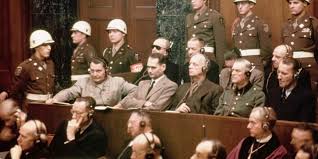
The Nuremberg Trials, held after World War II, marked a pivotal moment in international law and human rights. They were the first trials to prosecute war criminals for their actions during the conflict, specifically targeting members of the Nazi regime. The significance of these trials lies in their role in establishing accountability for war crimes, which has shaped contemporary legal standards and human rights protections globally.
Historical Context
Following the defeat of Nazi Germany in May 1945, the Allied powers sought a way to address the atrocities committed during the war, including the Holocaust and other crimes against humanity. The Nuremberg Trials commenced in November 1945, led by a tribunal composed of judges from the United States, the United Kingdom, France, and the Soviet Union. The trials were held in Nuremberg, Germany, a location chosen for its association with Nazi propaganda and rallies.
Key Outcomes
The trials indicted 24 major war criminals, including high-ranking officials such as Hermann Göring and Rudolf Hess. Key charges brought against these defendants included crimes against peace, war crimes, and crimes against humanity. The trials revealed the extent of Nazi atrocities and contributed to the historical record of the Holocaust.
One of the landmark outcomes of the Nuremberg Trials was the establishment of a definition of war crimes under international law. The principle that individuals, including heads of state, could be held accountable for violations was a groundbreaking development. It laid the foundation for future international tribunals, including those for the Yugoslav Wars and the Rwandan Genocide.
Legacy and Continuing Relevance
Today, the Nuremberg Trials continue to influence international law and justice. They set a precedent for the prosecution of war crimes and the role of international courts in upholding human rights. In recent years, discussions about how the lessons learned from the trials can be applied to current global conflicts remain relevant, especially as new threats to international peace and security emerge.
Conclusion
The Nuremberg Trials were more than just legal proceedings; they were a vital step in the ongoing struggle for justice in the face of tyranny. Their legacy is a reminder of the need to hold individuals responsible for horrific acts and maintain a vigilant stance against the dangers of totalitarianism. As we reflect on these trials, their significance in promoting accountability and safeguarding human rights becomes ever more important in our contemporary world.





