Discovering Birmingham Airport: An Essential Travel Hub
Introduction
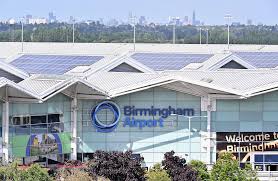
Birmingham Airport, located in the heart of the West Midlands, serves as a crucial transport hub for both leisure and business travellers. With over 13 million passengers in 2019, the airport has been instrumental in linking the UK with international destinations, enhancing the region’s economy and providing connectivity to global markets. The recent challenges faced due to the pandemic have highlighted the significance of robust airport infrastructure in facilitating travel and trade.
Current Developments and Services
As of late 2023, Birmingham Airport has continued to adapt to the changing landscape of air travel post-COVID-19. The airport has recently announced a series of improvements aimed at enhancing passenger experience, including updated check-in facilities and expanded duty-free shopping options. A recent partnership with several airlines has also resulted in an increase in flight routes, providing greater options for travellers looking to explore destinations across Europe and beyond.
In addition, Birmingham Airport is in the process of implementing measures to become more environmentally sustainable. The airport has pledged to achieve net-zero carbon emissions by 2033, which includes investing in electric ground support vehicles and exploring sustainable aviation fuel options. These initiatives are part of a broader trend in the aviation industry as it seeks to address climate change concerns while facilitating air travel.
Impact on the Local Economy
The significance of Birmingham Airport extends beyond travel; it plays a vital role in the local economy. The airport contributes over £1 billion annually, supporting local jobs and businesses. With a variety of companies operating within the airport estate, there are numerous job opportunities spanning customer service, retail, security, and transportation.
Furthermore, Birmingham Airport is a key player in attracting investment to the West Midlands, serving as a gateway for international businesses looking to establish a presence in the UK. The airport’s ongoing expansion plans are anticipated to create even more economic opportunities, enhancing the region’s competitiveness on a global scale.
Conclusion
In conclusion, Birmingham Airport is more than just an entry and exit point for travellers; it is a vital economic engine for the West Midlands and a commitment to sustainable travel for the future. As flights increase and services improve, Birmingham Airport is poised to continue its role as a significant player in both the regional and global air travel landscape. For residents and visitors alike, the ongoing developments at this pivotal airport promise a brighter and more connected future.





