Unraveling the Mysteries of Beaked Whales
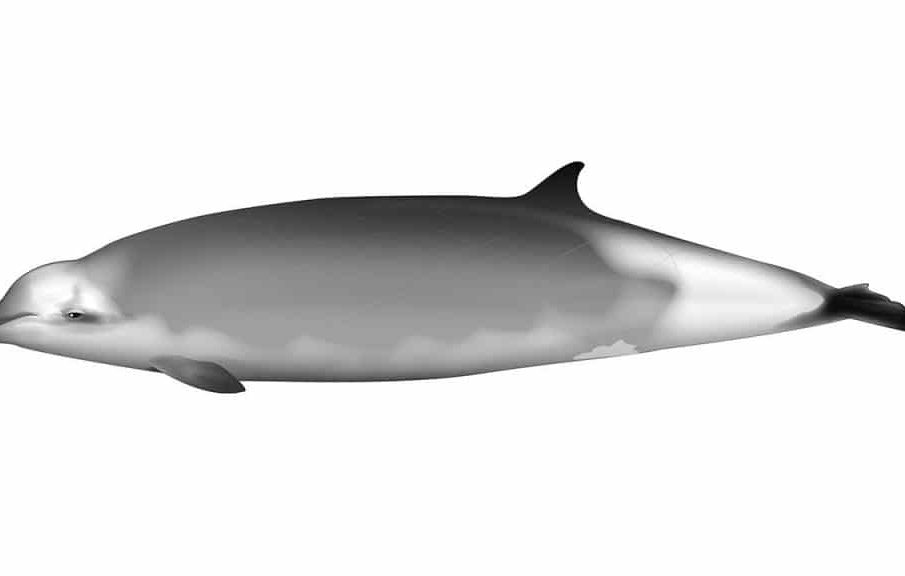
Introduction to Beaked Whales
Beaked whales, belonging to the family Ziphiidae, are among the most enigmatic marine mammals of the ocean. With over 22 recognized species, these deep-diving creatures showcase unique adaptations for survival in extreme underwater environments. Their elusive nature and remote habitats make them challenging to study, heightening the significance of ongoing conservation efforts, particularly as climate change and human activities threaten their populations.
The Fascinating World of Beaked Whales
Beaked whales are primarily found in deep ocean waters, where they are known to dive to extraordinary depths in search of their prey, which mainly consists of squid. Some species, such as the Cuvier’s beaked whale, are capable of diving for over an hour and reaching depths of over 2,000 meters — a record among marine mammals. Their streamlined bodies and specialized echolocation abilities allow them to navigate and hunt efficiently in these dark, underwater depths.
Recent studies have indicated that beaked whales play a crucial role in ocean ecosystems by controlling squid populations and contributing to nutrient cycling in marine environments. Despite their ecological importance, much remains unknown about their behavior, migration patterns, and population dynamics due to the difficulties involved in observing them in their natural habitats.
Conservation Challenges
Beaked whales face significant threats from human activities, particularly from naval sonar testing, commercial shipping, and environmental changes linked to climate change. The noise pollution created by ships and military activities can disrupt their feeding, breeding, and navigation, leading to increased stranding incidents and population declines.
Conservationists are advocating for more stringent regulations surrounding marine noise pollution and better protection of critical habitats to ensure the survival of these remarkable animals. Initiatives include the establishment of marine protected areas and increased public awareness about the plight of beaked whales and their habitat.
Conclusion and the Future of Beaked Whales
As research continues and efforts to protect marine habitats expand, there is hope for the sustainability of beaked whales and their ecosystems. With their unique characteristics and roles within marine environments, these creatures highlight the intricate interconnectedness of oceanic life. Public support and awareness are vital components in driving change and promoting conservation efforts to ensure that beaked whales continue to thrive in the waters they call home.





