Understanding SMA Type 1: Implications and Insights
Introduction
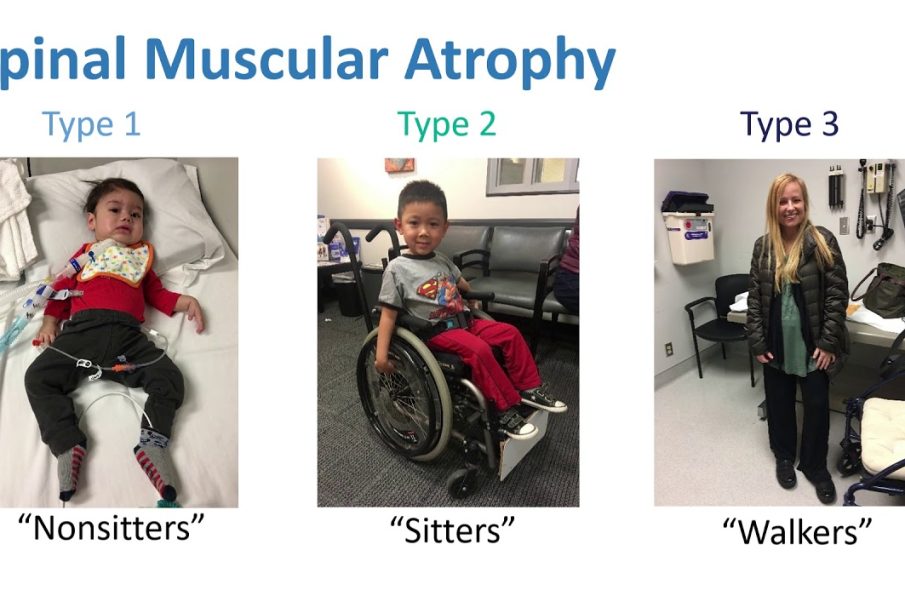
SMA Type 1, or Spinal Muscular Atrophy Type 1, is a rare genetic disorder that affects the motor neurons in the spinal cord, leading to muscle weakness and atrophy. It is crucial to understand this condition as it is the most severe form of spinal muscular atrophy, impacting babies and young children, with symptoms appearing in the first six months of life. Awareness of SMA Type 1 has increased significantly in recent years due to advances in research and treatment, making it a vital topic for families, healthcare professionals, and policymakers.
The Severity of SMA Type 1
SMA Type 1 occurs due to the loss of motor neurons caused by mutations in the SMN1 (Survival Motor Neuron 1) gene. This genetic defect results in a critical shortage of survival motor neuron protein, which is essential for the health of motor neurons. Because children with SMA Type 1 typically do not sit, stand, or walk, their life expectancy is often severely affected without intervention. According to the latest statistics, around 1 in 6,000 to 1 in 10,000 live births are diagnosed with SMA, and Type 1 represents approximately 60% of its cases.
Treatment Advances and Options
In recent years, groundbreaking treatments have transformed the outlook for children born with SMA Type 1. The introduction of disease-modifying therapies, such as Zolgensma and Spinraza, has provided hope to many families. Zolgensma, a gene replacement therapy, aims to correct the underlying genetic defect, while Spinraza functions by increasing the production of the SMN protein. These treatments can significantly improve motor functions, and while they are not cures, they can drastically enhance quality of life and lifespan for many affected individuals.
Support for Families and Future Directions
Support systems are crucial for families dealing with SMA Type 1. Organizations and foundations dedicated to SMA offer educational resources, emotional support, and assistance with medical therapies. As researchers continue to explore further innovations in SMA treatment, there is significant optimism surrounding potential future therapies that may provide even greater benefits for SMA Type 1 patients.
Conclusion
As awareness and understanding of SMA Type 1 continue to grow, families impacted by the condition can find hope in the advances of medical science. The advent of new treatments exemplifies the importance of ongoing research and funding for rare diseases. With proper support and treatment, affected children can lead enriched lives, showing that progress in the realm of genetic disorders, while complex, is indeed achievable.





