Understanding the Dynamics of World Population Growth
Introduction
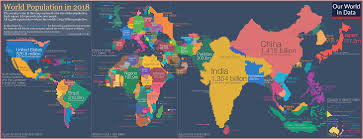
The world population has reached an unprecedented level, exceeding 8 billion in November 2022, as reported by the United Nations. This milestone highlights not only the achievements in public health, nutrition, and overall living standards but also raises significant concerns regarding sustainability, resource distribution, and global health. Understanding the implications of population growth is crucial for policymakers, environmentalists, and the general public.
Current Statistics and Trends
As of 2023, the world population is approximately 8.1 billion, with projections indicating it might reach 9.7 billion by 2050 and could peak at around 10.4 billion by the 2080s. The growth rates vary significantly between regions; while some areas experience rapid increases, others face stagnation or decline. For instance, countries in Sub-Saharan Africa are projected to contribute more than half of the global population increase by 2050, whereas many European nations are struggling with low birth rates and aging populations.
Impact on Resources and Economy
The exponential growth of the population carries profound implications for resources, including food, water, and energy. The United Nations estimates that by 2050, food production will need to increase by 70% to meet the demands of the growing population. Additionally, urbanization is expanding as people migrate to cities for work and better living standards, with predictions suggesting that nearly 70% of the world population will live in urban areas by 2050. This urban shift puts increased pressure on infrastructure, public services, and housing.
Environmental Concerns
Increased population density exacerbates environmental challenges such as climate change, habitat loss, and pollution. The more people there are, the greater the strain on our natural resources, which can lead to a decrease in biodiversity and further climate destabilisation. A study conducted by the World Wildlife Fund (WWF) indicates that human consumption and population growth are principal drivers of ecological degradation, necessitating urgent action from governments around the globe.
Conclusion
As the world continues to grapple with the challenges of a growing population, it is crucial for leaders and communities to initiate proactive discussions regarding sustainable development, resource management, and climate change mitigation. There are notable technological advancements and policy measures that can be implemented to address these challenges, from improved agricultural techniques to renewable energy resources. However, significant global collaboration will be necessary to ensure a balanced approach to population growth and its impacts. The way we manage these trends today will greatly influence the world we leave for future generations.