The Significance and History of Windsor Castle
Introduction
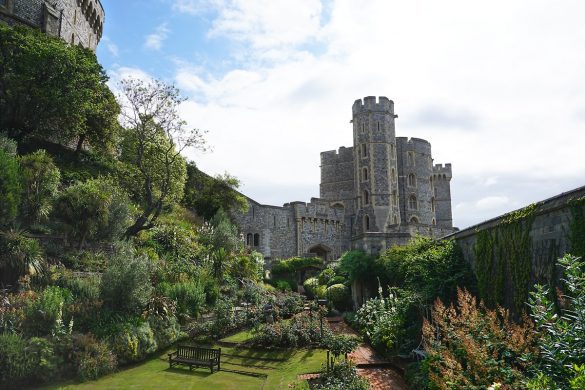
Windsor Castle, an iconic royal residence located in Berkshire, England, stands as the oldest and largest inhabited castle in the world. Its historical importance and continuous association with the British Monarchy make it one of the most notable landmarks in the United Kingdom. With its grand architecture and rich heritage, Windsor Castle attracts millions of visitors every year, serving as a symbol of the enduring legacy of the monarchy.
Historical Overview
Windsor Castle was founded by William the Conqueror in the 11th century and has since been expanded and modified, reflecting the prevailing architectural styles of different eras. Originally built for defence against the Normans, it evolved into a royal residence where kings and queens have celebrated many historic events.
The castle was significantly under the influence of King George IV in the 19th century, who transformed it into a Gothic-style palace, enhancing its beauty and grandeur. This creative overhaul included the creation of the State Apartments and St George’s Chapel, a masterpiece of Gothic architecture.
Recent Events and Significance
In recent years, Windsor Castle has played a vital role in British royal traditions, including the wedding of Prince Harry and Meghan Markle in 2018, which brought renewed global attention to the castle. This event highlighted the castle’s importance as a venue for royal ceremonies and celebrations.
Additionally, the castle has recently undergone significant restoration works to ensure its preservation for future generations. Following a major fire in 1992, which caused extensive damage to the building, a comprehensive restoration plan was implemented, leading to the reopening of the castle to the public in 1997. The public’s interest in the castle has only grown, with advancements in visitor experiences, including exhibitions and guided tours.
Conclusion
Windsor Castle is not just a royal residence; it is a testament to the history and traditions of the British monarchy. Its rich history, architectural beauty, and significant royal events have cemented its status as an emblem of British cultural heritage. As the castle continues to host important royal functions and welcomes visitors from around the world, its significance remains ever-present, promising to be a vital part of the UK’s cultural narrative for years to come.





