Understanding the National Trust and Its Impact
Introduction
The National Trust is a vital heritage conservation charity in the United Kingdom, established in 1895. It plays a crucial role in preserving the country’s historical sites, countryside, and nature for future generations. With over 5 million members, the Trust’s work is increasingly relevant amidst ongoing discussions about sustainability, environmental conservation, and the restoration of cultural assets.
Key Activities and Achievements
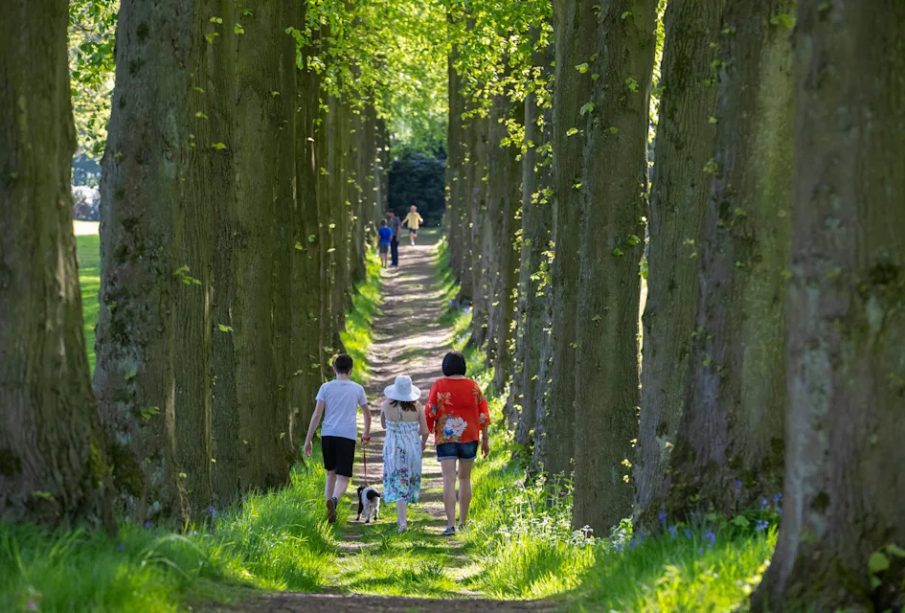
The National Trust currently owns and manages more than 500 historic houses, gardens and castles, as well as over 250,000 hectares of countryside and coastline. Recent initiatives focus on biodiversity recovery, with significant efforts to restore habitats, rewild areas, and support local wildlife. The ’50 Things to Do Before You’re 11¾’ campaign has engaged countless children and families, encouraging outdoor exploration and fostering a connection to nature.
In 2023, the National Trust launched the ‘Nature Recovery Network’, an ambitious project aimed at connecting various habitats across its properties, thus enhancing wildlife corridors and promoting ecological resilience. This initiative ties into the UK government’s broader objectives of promoting environmental stability and combating climate change.
Feature Events and Community Engagement
The Trust regularly hosts events that promote community engagement and education. Recent events included guided walks, workshops on traditional crafts, and food festivals that showcase local produce. These activities serve to draw communities closer to the historical properties and natural landscapes while also promoting sustainable practices.
Challenges Facing the National Trust
Despite its successes, the National Trust faces substantial challenges. The ongoing financial pressures, exacerbated by the COVID-19 pandemic, have strained its resources. As visitor numbers fluctuate and funding constraints persist, the Trust must navigate a delicate balance between maintaining properties and ensuring public access. Additionally, the impact of climate change poses risks to the landscapes and buildings it is committed to protecting.
Conclusion
The National Trust embodies the UK’s dedication to preserving its rich heritage and natural beauty. Its efforts are increasingly significant in promoting sustainability and environmental stewardship in a rapidly changing world. As the Trust continues to adapt to contemporary challenges, it remains an essential guardian of the nation’s historical and natural treasures. The ongoing support from the public will be vital in ensuring that its mission to foster an appreciation and access to heritage endures for future generations.





