Titanic Sinks Tonight: Revisiting a Fateful Event
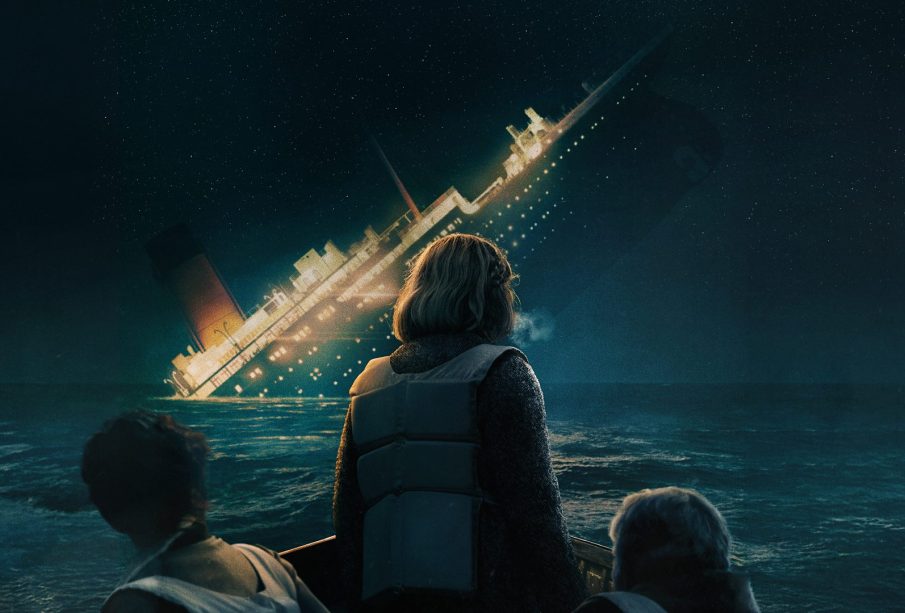
Introduction to the Titanic Disaster
The sinking of the RMS Titanic on the night of April 15, 1912, remains one of the most infamous maritime disasters in history. The tragedy not only led to the loss of over 1,500 lives but also brought about significant changes in maritime laws and safety regulations. This pivotal event continues to have relevance today as it reminds us of the importance of safety at sea and the human cost of negligence.
Details of the Sinking
On the night of April 14, 1912, the Titanic struck an iceberg at approximately 11:40 PM during its maiden voyage. The ship was touted as “unsinkable” and was filled with some of the wealthiest passengers of the time. In the chaos that followed the collision, lifeboats were launched half-filled, and hundreds were forced to jump into icy waters. The ship sank in just over two hours, a timeline that shocked survivors and subsequent investigators.
Consequences and Changes
In the aftermath of the sinking, inquiries were held in both the United States and the United Kingdom, leading to widespread public outcry. This resulted in significant changes in maritime safety policies, including the requirement for ships to carry enough lifeboats for all passengers and improved iceberg detection methods. The International Convention for the Safety of Life at Sea (SOLAS) was established as a direct response to the Titanic disaster.
Legacy and Remembrance
The tragedy of the Titanic has inspired countless books, films, and documentaries, keeping the story alive in public memory. Events are held annually to commemorate those who lost their lives, ensuring that the lessons learned from the disaster continue to be recognised. The Titanic’s story serves as a powerful reminder of the vulnerabilities at sea and the responsibility that comes with maritime travel.
Conclusion: A Timeless Reminder
As we reflect on the night the Titanic sank, it serves as a reminder of the fragility of life and the importance of preparedness. Maritime tragedies like this deeply influence maritime law and safety practices, highlighting the necessity for vigilance to prevent similar occurrences in the future. The legacy of the Titanic will continue to impact how we approach maritime safety, ensuring that lessons learned are never forgotten.





