Understanding Driving Licence Restrictions in the UK
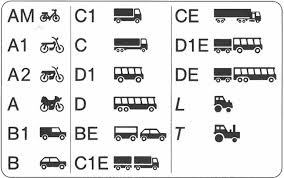
Introduction to Driving Licence Restrictions
Driving licence restrictions are vital regulations that ensure road safety and responsible driving in the UK. These restrictions can significantly impact a driver’s ability to operate a vehicle legally and safely. With new policies and recent updates, understanding the types and reasons for these restrictions is more crucial than ever for all drivers.
Types of Driving Licence Restrictions
In the UK, there are various types of restrictions that may be placed on a driving licence. These include:
- Age Restrictions: Certain vehicles, especially those that are high-powered or require special handling, may have age limits for the drivers.
- Medical Conditions: Drivers with specific medical conditions may face restrictions requiring them to undergo regular reviews or not to drive certain classes of vehicles.
- Probationary Licences: New drivers, especially those under the age of 24, may have restrictions that limit their blood alcohol concentration and penalties for traffic offences.
- Endorsements: Points accrued from traffic offences can lead to restrictions being placed on a driver’s licence, affecting insurance and ability to drive.
Recent Changes and Their Implications
In recent months, the Driver and Vehicle Licensing Agency (DVLA) announced updates to the driving licence application process and restrictions. An increase in focus on safe driving practices due to rising road accident statistics has prompted more stringent rules. For instance, drivers now must declare any medical conditions that could impair driving more explicitly than before. The DVLA also introduced more rigorous assessments for driving instructors and those teaching their own children to drive.
Additionally, electric vehicle (EV) regulations are changing, impacting driving licence restrictions. With the UK’s commitment to phasing out petrol and diesel cars by 2030, new considerations regarding EV-specific licences are being discussed, which may serve to enhance safety and competency in driving these vehicles.
Conclusion: The Path Forward
The implications of driving licence restrictions extend beyond individual drivers; they affect societal road safety as a whole. As regulations evolve, drivers need to stay informed about their responsibilities and any changes to the legal requirements pertaining to their licence. Understanding these restrictions can help reduce accidents and ensure that road users are better prepared for the responsibilities of driving. Moreover, as public attitudes towards sustainable driving practices change, restrictions may adapt in tandem, promoting a more eco-friendly future on the roads.





