The Plight of the Endangered Flat Headed Cat
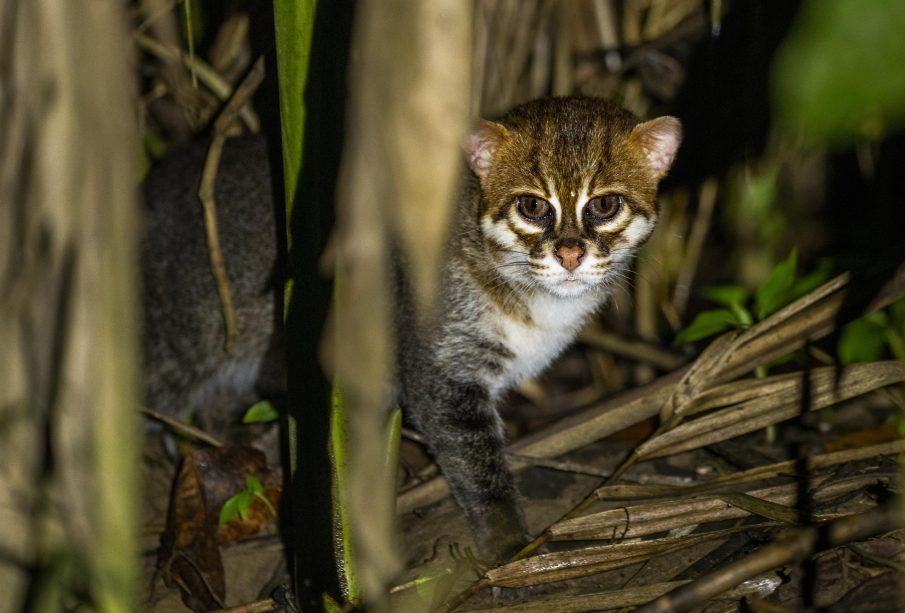
Introduction to the Flat Headed Cat
The flat headed cat (Prionailurus planiceps) is a rare and elusive species native to the wetlands of Southeast Asia, particularly found in Malaysia, Thailand, and Indonesia. Classified as ‘Endangered’ by the International Union for Conservation of Nature (IUCN), this cat species is a vital indicator of environmental health in its natural habitat. The importance of focusing on the flat headed cat stems not just from its unique ecological role, but also its vulnerabilities to habitat loss and illegal wildlife trade.
Current Conservation Efforts
Recent initiatives aimed at conserving the flat headed cat have gained momentum, especially in light of alarming population declines. Researchers at the University of Malaysia recently unveiled a comprehensive conservation strategy that includes habitat restoration and education programs to raise awareness among local communities. These initiatives focus on re-establishing natural wetlands that have been compromised due to agriculture and urban development.
In collaboration with the Malaysian government, wildlife organisations are also working to create wildlife corridors that mitigate the impact of deforestation. This is crucial, as fragmented habitats pose a significant threat to the survival of the flat headed cat. Captive breeding programs, although in early stages, are being established in a few wildlife reserves to ensure genetic diversity and increase population numbers.
Challenges Facing Conservation
Despite these promising efforts, the flat headed cat continues to face numerous challenges. The primary threat remains habitat destruction, driven by agricultural expansion and logging. Additionally, poaching poses a severe risk, as these cats are sometimes targeted for their fur or caught in snares intended for other wildlife. Without strong legal frameworks and enforcement, these threats remain difficult to combat.
Conclusion and Future Outlook
The fate of the flat headed cat is closely tied to the health of the wetlands it inhabits, which are increasingly under threat from human activity. Successful conservation of this species will require a multifaceted approach, including sustainable land management practices and stronger protective regulations. As awareness grows and more organisations rally to support conservation efforts, there is cautious optimism that the flat headed cat may be saved from the brink of extinction. For readers, understanding the plight of the flat headed cat and supporting conservation initiatives can play a crucial role in preserving this unique species for future generations.





