Current Developments at the International Space Station
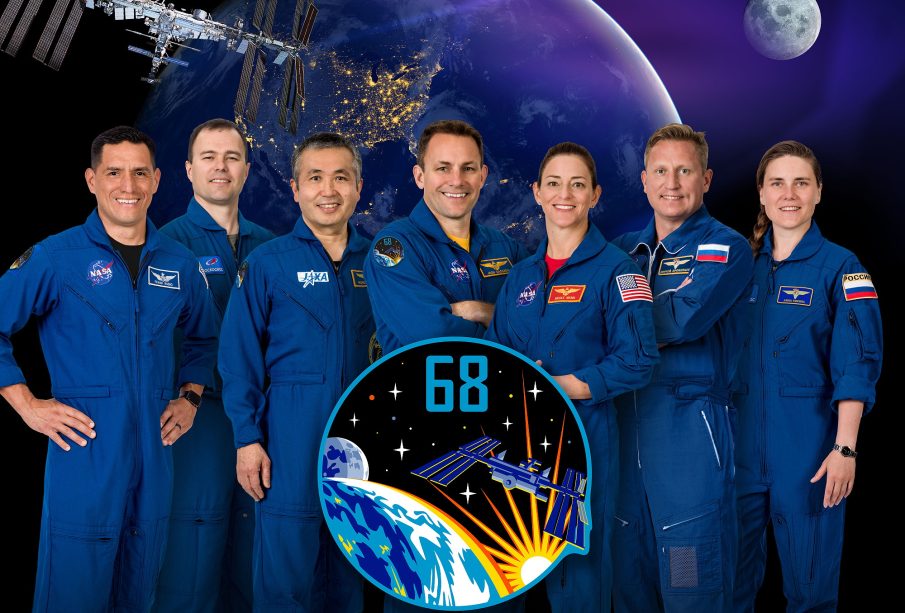
Importance of the International Space Station
The International Space Station (ISS) is a remarkable achievement in human engineering and collaboration, nestled in low Earth orbit. It serves as a microgravity research laboratory where scientific research is conducted in astrobiology, astronomy, meteorology, and physics. The ISS plays a critical role in advancing our understanding of life in space, making it a focal point of international collaboration among fifteen countries, including the United States, Russia, Japan, Canada, and European nations.
Recent Events and Discoveries
As of October 2023, the ISS marks more than 23 years of continuous human presence with a wide array of scientific research being conducted onboard. Recently, astronauts aboard the ISS have made significant breakthroughs in material science, including a study that examines the behaviour of alloys in a microgravity environment, which could revolutionise manufacturing processes on Earth.
Furthermore, the ISS has been instrumental in developing sustainable life-support systems for future long-duration space missions. The ongoing research in recycling resources and growing food in space is vital as humanity plans for explorations to Mars and beyond. The results from the ISS are expected to contribute significantly to NASA’s Artemis program, which aims to return humans to the Moon and eventually send astronauts to Mars.
International Collaboration
International partnerships are essential for the operation of the ISS. For instance, the recent collaboration between NASA and the European Space Agency (ESA) has enabled the successful launch of cargo supply missions. Just last month, a SpaceX Dragon spacecraft delivered critical supplies and new scientific experiments to the ISS.
The cooperation extends beyond just payload deliveries; the ISS facilitates training and research opportunities for astronauts from different countries, fostering goodwill and shared knowledge among nations.
The Future of the ISS
Looking ahead, the ISS programme is expected to continue until at least 2028, with discussions already in place for deorbiting strategies and what will follow afterward. New commercial options for low-Earth orbit activities are on the horizon, with private companies showing increasing interest in the potential for research and tourism in space.
In conclusion, the International Space Station not only provides a platform for scientific discoveries that benefit humanity but also enhances international collaboration, setting the stage for future exploration of our solar system. As Gagarin’s legacy endures, the ISS remains crucial for understanding our universe and ensuring a sustainable presence beyond Earth.





