The Controversial Journey of 6ix9ine
Introduction
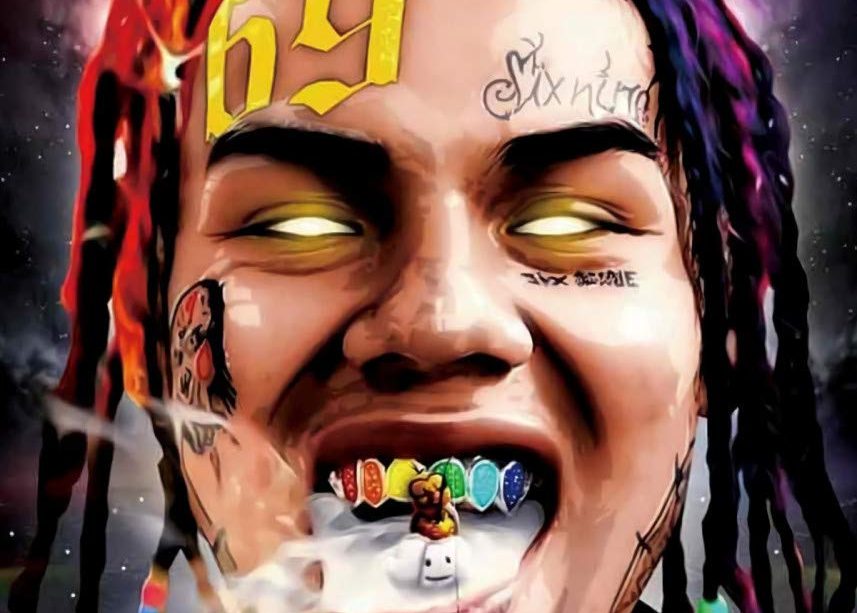
6ix9ine, also known as Tekashi69, is a figure who has become synonymous with controversy in the music industry. Bursting onto the rap scene in 2017, his vivid persona, characterised by rainbow hair and numerous tattoos, captured attention but also sparked debates over his controversial behaviour and legal issues. His impact on rap culture and discussions on authenticity, gatekeeping, and the nature of fame remain relevant topics.
The Rise of 6ix9ine
Born Daniel Hernandez in 1996 in Brooklyn, New York, 6ix9ine began his recording career by releasing tracks that featured aggressive beats and unapologetic lyrics. His song “Gummo” quickly gained traction, peaking at number 12 on the US Billboard Hot 100 and marking the start of his meteoric rise. He often collaborated with well-known artists, bolstering his presence in the industry. However, it was his public persona and feuds with fellow rappers that kept him in the headlines.
Legal Troubles and Imprisonment
Despite his success, 6ix9ine’s career has been marred by legal issues. In 2018, he was arrested on racketeering and gun charges. He later pleaded guilty and faced a lengthy prison sentence. However, in a surprising turn of events, he became an informant for federal prosecutors, leading to a reduced sentence. His decision to cooperate with authorities drew significant backlash from fans and peers alike, raising questions about loyalty and street credibility within the rap community.
Post-Prison Career and Continued Controversy
After his release from prison in April 2020, amid the COVID-19 pandemic, 6ix9ine attempted to reclaim his position in the music industry by releasing new music and utilising social media platforms. His return was highlighted by the release of “Gooba,” which quickly amassed millions of views on YouTube. Despite achieving significant streaming numbers, he remained a polarising figure, as many questioned the sustainability of his fame post-legal troubles.
Conclusion
6ix9ine’s journey reflects broader themes in contemporary music culture, particularly the relationships between fame, accountability, and the consequences of a controversial lifestyle. While he continues to attract a sizable audience, doubts linger about his long-term impact and legacy in hip-hop. His story serves as a reminder of the complexities of success in the digital age, where personal struggles can shape public perceptions and influence an artist’s trajectory. As the rapper navigates his comeback, industry watchers are keen to see how his narrative unfolds, and what it means for the future of artists like him.





