The Allure of Cahors: A Blend of Wine and Heritage
Introduction to Cahors
Cahors, located in the south-west of France, is renowned not only for its picturesque landscapes but also for its rich history and distinguished wine production. Recognized as the capital of the Lot department, Cahors has attracted tourists and wine enthusiasts alike, making it an essential destination for those looking to explore the heart of French viticulture. With its medieval architecture, scenic river views, and celebrated Malbec wines, Cahors holds a significant place in both historical and modern contexts.
Cultural and Historical Significance
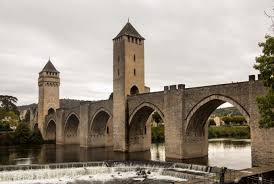
The history of Cahors dates back to Roman times, and remnants of its ancient past can still be seen through the well-preserved architecture and archaeological sites. The city’s famous Valentré Bridge, a UNESCO World Heritage Site, was built in the 14th century and is a prime example of Gothic architecture. Local tales suggest that the bridge was constructed with a pact made to the devil, showcasing the cultural richness and folklore that permeate the area.
The Wine Region of Cahors
Aside from its historical significance, Cahors is perhaps most famous for its wine production, particularly the Malbec variety. Known as ‘Côt’ in the local dialect, this grape thrives in Cahors’ unique terroir, resulting in bold, dark wines that are rich in flavour and character. The Cahors wine appellation is one of the oldest in France, with records dating back to the 14th century. The region’s winemakers are dedicated to preserving traditional methods while also embracing modern techniques, ensuring that the wines produced remain at the forefront of global wine culture.
Recent Events and Developments
Recent events in Cahors have emphasised the community’s commitment to both its historical heritage and its evolving wine industry. In 2023, the Cahors Wine Festival drew visitors from across the globe, celebrating local wines with tasting events, vineyard tours, and gastronomic experiences. This year’s festival highlighted innovations in wine-making and sustainability practices, showcasing how local producers are adapting to climate challenges while enhancing the quality of their wines.
Conclusion and Future Considerations
As Cahors continues to develop its narrative as a vital cultural and oenological destination, it is clear that the city’s balance of history and modernity will play a significant role in shaping its future. With ongoing efforts to promote local heritage and wine, Cahors is projected to thrive as a tourist hub while remaining rooted in its rich traditions. Visitors to Cahors can expect a memorable experience, with not only exquisite wines but also a deep dive into the historical significance that makes this city an extraordinary place to explore.