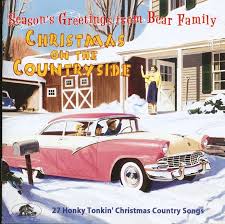
The Importance of Christmas Music During the Festive Season
Introduction
Christmas music is an inseparable part of the festive season, echoing the spirit of joy, peace, and togetherness that the holiday represents. From traditional carols to modern festive hits, these musical compositions enhance the celebration of Christmas, promoting cultural traditions and evoking nostalgic memories for many. As the season approaches, the relevance of Christmas music continues to grow, with more people turning to these melodies to encourage a sense of community and foster holiday spirit.
Historical Context
The origins of Christmas music can be traced back to the Middle Ages, where hymns and carols were performed during religious services and community gatherings. Over time, these songs evolved, incorporating various musical styles and instruments, leading to the rich diversity of Christmas music we experience today. Notable figures such as Bing Crosby and Ella Fitzgerald have contributed significantly to the genre, helping to popularise certain songs that have since become holiday staples.
Modern Trends
In contemporary society, the Christmas music landscape has expanded dramatically. Traditional carols coexist with pop hits and original compositions, resulting in a vibrant mix played across radio stations, streamed online, and performed live. Major artists release their own festive albums, while holiday-themed concerts attract large audiences. Interestingly, surveys indicate that over 70% of people listen to Christmas music during the holiday season, signifying its integral role in their celebrations.
The genre also adapts to contemporary issues, with new songs highlighting themes such as love, inclusion, and celebration, making Christmas music relatable to diverse audiences. Furthermore, the musical experience has expanded beyond traditional platforms, with social media allowing unique renditions and mashups to reach global audiences instantly.
Significance for Communities
Christmas music serves more than just an entertainment purpose; it plays a vital role in building community connections and fostering a sense of belonging. Caroling events, holiday parties, and community gatherings centred around music not only entertain but also reinforce traditions, bringing families and friends together. In uncertain times, such as the recent global pandemic, Christmas music has offered solace and upliftment, helping people navigate through challenges with shared experiences and memories associated with beloved tunes.
Conclusion
In conclusion, Christmas music remains a cornerstone of holiday celebrations, enriching cultural traditions and enhancing the festive spirit across generations. As we continue to embrace both traditional and modern interpretations, the significance of these melodies will undoubtedly endure. As the seasons change, it is essential to recognise the powerful impact of music in nurturing community bonds and creating lasting memories, reminding us of the reason for the season: joy, hope, and togetherness.