Understanding the Shortest Day of the Year
Importance of the Shortest Day of the Year
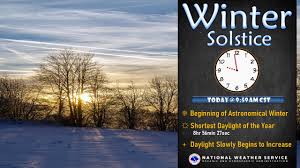
The shortest day of the year, occurring around December 21 or 22, marks the winter solstice in the Northern Hemisphere. This natural phenomenon holds great cultural and scientific significance, as it not only represents the onset of winter but also the gradual return of longer days.
Scientific Explanation
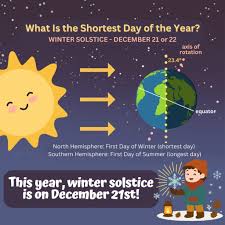
The winter solstice occurs when the Earth’s axial tilt is farthest from the sun, resulting in the least amount of daylight. On this day, locations in the Northern Hemisphere experience up to 24 hours of darkness at the poles, while regions closer to the equator see minimal variation in day length throughout the year. This year, the winter solstice will fall on December 21, 2023, and various locations across the UK will witness about 7 hours and 49 minutes of daylight. In London, for example, sunrise will occur at 8:04 AM and sunset at 3:53 PM.
Cultural Significance
Throughout history, the winter solstice has held special importance in many cultures around the world. Ancient civilizations, such as the Romans and Celts, celebrated this day with festivals and rituals to honour the sun and promote its return. In modern times, celebrations like Yule among Pagan communities and Christmas in Christianity often incorporate themes of rebirth and renewal, symbolising hope for the returning sunlight.
Modern Observances
In a contemporary context, the winter solstice is observed in various ways, with numerous events and gatherings taking place globally. For instance, Stonehenge often attracts visitors who come to witness the sunrise on this day, reflecting ancient traditions. Communities engage in festivals, and many individuals take this opportunity to reflect on the year past and set intentions for the upcoming year.
Conclusion
As the shortest day of the year approaches, it encourages us to contemplate the cyclical nature of our planet and reminds us of the balance between light and darkness. The winter solstice serves not only as a scientific marker but as a cultural touchstone that reflects humanity’s enduring relationship with the natural world. Understanding this event is vital for appreciating our seasonal cycles and embracing the longer days that follow.