Understanding the Shortest Day of the Year
Introduction
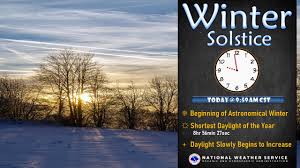
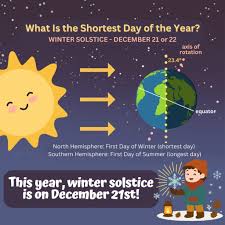
The shortest day of the year, often referred to as the winter solstice, is a significant event in the astronomical calendar. Occurring annually around December 21st or 22nd in the Northern Hemisphere, this day marks the point when the North Pole is tilted furthest away from the Sun. The importance of the winter solstice is not only tied to the length of daylight, but also to cultural, environmental, and astronomical implications that resonate through history.
Date and Timing
This year, the winter solstice will take place on December 21, 2023, at precisely 21:27 UTC (Coordinated Universal Time). On this day, many regions will experience less than eight hours of daylight, making it the shortest day of the year. Conversely, in the Southern Hemisphere, this date is celebrated as the summer solstice, showcasing the stark contrast in seasonal experiences across the globe.
Historical Significance
The winter solstice has been celebrated across various cultures and societies throughout history. Ancient civilisations, such as the Romans and the Druids, marked the occasion with festivals and rituals, believing it signified the rebirth of the Sun. In modern times, events like Yule and Christmas have roots in these ancient observances, highlighting the enduring legacy of the solstice.
Scientific Explanation
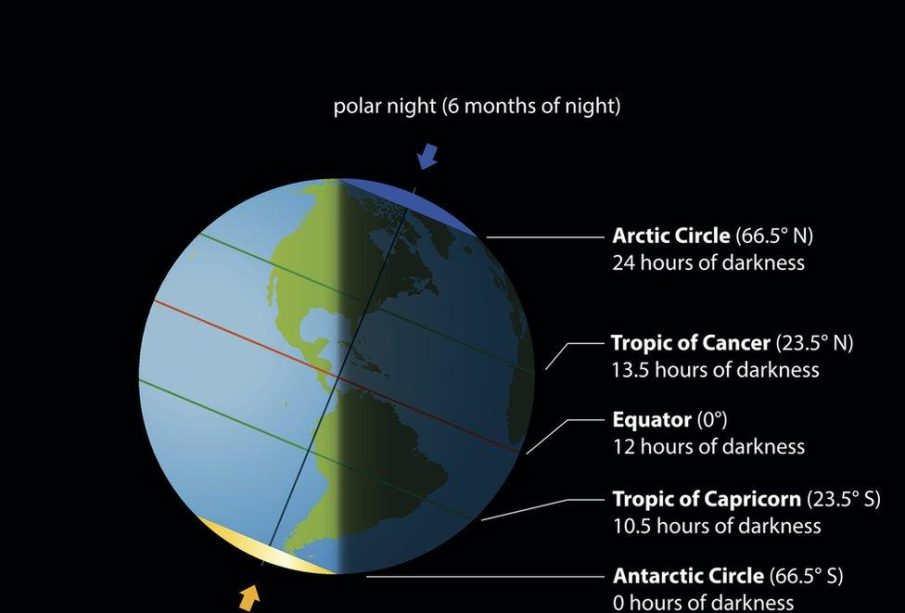
Scientifically, the winter solstice occurs due to the tilt of the Earth’s axis. As the Earth orbits the Sun, the tilt causes different parts of the planet to receive varying amounts of sunlight throughout the year. During the winter solstice, the Northern Hemisphere is positioned such that it receives the least sunlight, resulting in shorter days and longer nights.
Implications for Daily Life
The consequences of the winter solstice extend beyond just shorter days. This time of year can influence mood and energy levels for many individuals. Seasonal Affective Disorder (SAD) is a common psychological condition that arises as daylight hours diminish, underscoring the impact of sunlight on mental health. Moreover, this period can also trigger various lifestyle changes, including adjustments in daily activities and community gatherings, as people seek to connect and celebrate amidst the darkness.
Conclusion
Understanding when the shortest day of the year occurs allows individuals to appreciate the cyclical nature of our planet’s movements. The winter solstice is not just a marker of darkness, but a reminder of the gradual return of longer days and the warmth of spring to come. As we analyse the implications of this astronomical event, it’s vital to reflect on how it shapes our lives both culturally and scientifically, enriching our seasonal rhythm and connection to the natural world.