Understanding the Black Death and Its Lasting Impact
Introduction
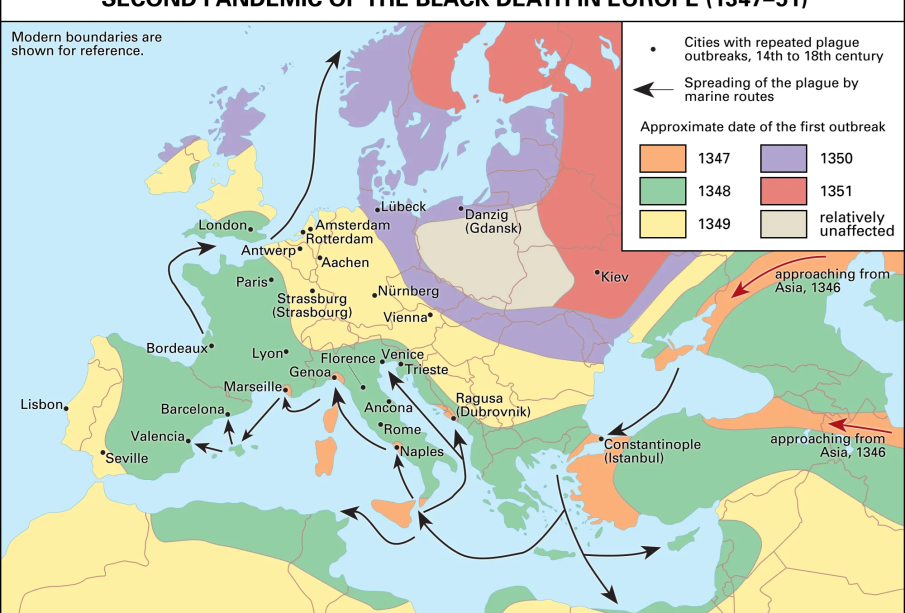
The Black Death, one of the most devastating pandemics in human history, gripped Europe during the 14th century, specifically from 1347 to 1351. Understanding the impact of this catastrophic event is vital not only for historical knowledge but also for appreciating the societal shifts it caused, many of which resonate today in the context of current global health crises.
What Was the Black Death?
The Black Death is believed to have been caused by the bacterium Yersinia pestis, which is primarily transmitted through fleas that infested rats. This pandemic led to the death of an estimated 25 million people in Europe, which was about one-third of the population at that time. The disease was characterised by symptoms such as fever, chills, and swollen lymph nodes, which often led to a painful death within days of infection.
Societal and Economic Impact
The death toll caused by the Black Death had profound effects on European society. With a significant portion of the population deceased, there was a shortage of labourers, which in turn led to increased wages and better working conditions for those who survived. This shift was pivotal in initiating the decline of the feudal system.
Furthermore, the pandemic instigated a wave of social and cultural changes, including religious fervour, as people sought answers in their faith during the trying times. The Catholic Church at the time faced scrutiny as many perceived it as unable to respond effectively to the crisis, which later resulted in a series of reforms in church practices.
Lessons for Modern Society
The lessons learned from the Black Death extend beyond historical curiosity. Modern pandemics, such as COVID-19, have exposed similar vulnerabilities in healthcare systems and society. Public health responses, social distancing measures, and the rapid development of vaccines all echo the need for swift action seen in historical contexts.
Conclusion
The Black Death stands as a stark reminder of how pandemics can reshape societies, economies, and cultures. While it occurred almost 700 years ago, its relevance is highlighted in today’s context of global health challenges. As we navigate through modern healthcare crises, the history of the Black Death can provide us with valuable insights into the importance of robust public health policies and societal resilience.