The Chagos Islands: A Geopolitical Conundrum
Introduction
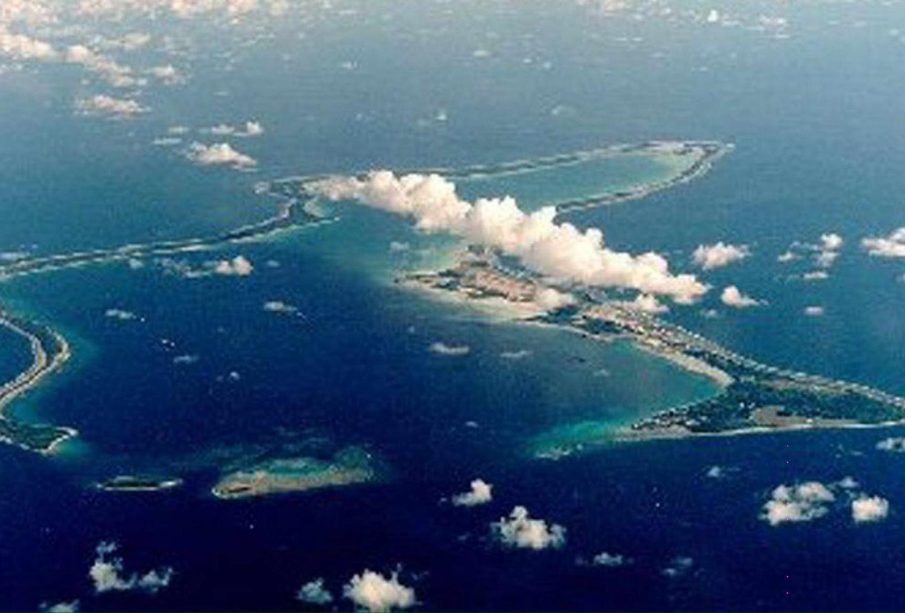
The Chagos Islands, a remote archipelago in the Indian Ocean, have become a focal point in international discussions regarding territorial sovereignty and human rights. Comprising over 60 islands, the Chagos Islands are currently administered by the United Kingdom, which has faced significant criticism and legal challenges regarding its control and treatment of the islands’ indigenous population, the Chagossians.
Historical Context
The geopolitical tension regarding the Chagos Islands dates back to the 1960s when the UK forcibly removed the indigenous Chagossians from their homeland to make way for a United States military base on Diego Garcia, the largest of the islands. The decision has been condemned internationally, and numerous legal battles have ensued since the 1970s, with Chagossians seeking the right to return.
Recent Developments
In recent years, the issue has gained renewed attention due to various court rulings and international disputes. In 2019, the International Court of Justice (ICJ) ruled that the UK must relinquish its control of the Chagos Islands, declaring the UK’s administration as a continued colonial presence. Despite this ruling, the UK maintains its stance and has yet to de-colonise the territory.
Additionally, in November 2023, the United Nations General Assembly passed a resolution supporting the right of the Chagossians to return, urging the UK to take necessary steps. This resolution aims to further international pressure on the UK to address its historical wrongs and rectify the injustices faced by the Chagossian people.
Current Implications
The ongoing dispute has implications beyond just territorial control. It raises questions about the processes of decolonisation, international law, and the responsibilities of former colonial powers towards indigenous populations. The United Kingdom’s continued adherence to its claims over the islands reflects broader patterns of colonial legacy and geopolitics.
Conclusion
The situation surrounding the Chagos Islands remains complex and contentious. While there have been strides towards justice for the Chagossian people, significant obstacles persist. The international community’s involvement and pressure may propel the United Kingdom towards a more equitable resolution. The Chagos Islands stand as a poignant reminder of historical injustices and the ongoing fight for rights and recognition by indigenous populations. As this situation evolves, it will be crucial for observers to stay informed about developments that could influence global discussions on colonialism, sovereignty, and human rights.