Understanding the Volvo Brindley Contract Termination
Introduction
The recent termination of the contract between Volvo and Brindley Group has sent ripples through the automotive industry, sparking discussions about the implications for both companies and the broader market. With sustainability and innovation at the forefront of today’s automotive sector, changes in partnerships can have far-reaching consequences. This incident highlights the necessity for businesses to adapt to evolving conditions and maintain operational integrity in a competitive environment.
Details Surrounding the Contract Termination
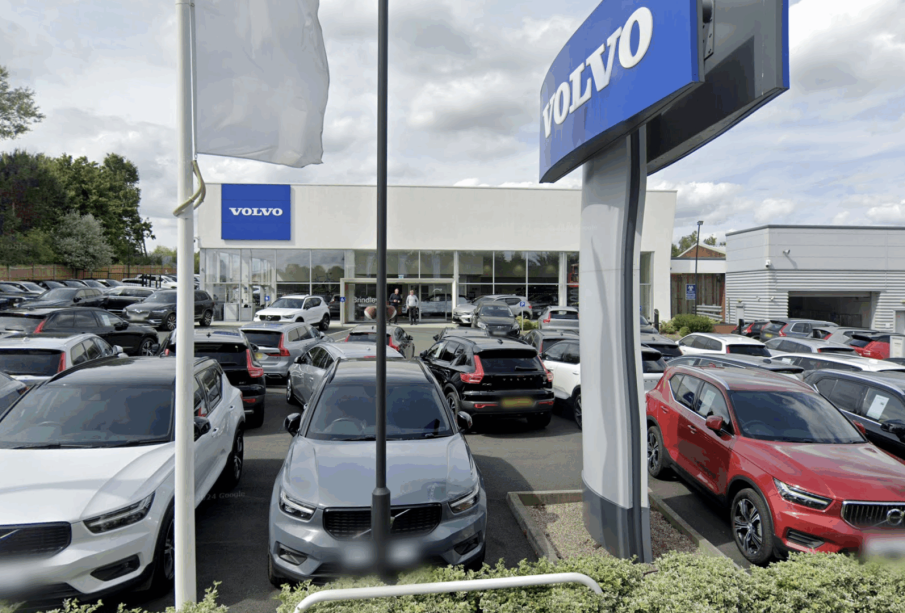
On October 15, 2023, Volvo Cars announced that it would terminate its dealership agreement with Brindley Group, effective immediately. The decision stems from varied reports of disagreement over performance metrics and strategic direction. According to sources, Brindley failed to meet the sales targets and customer satisfaction benchmarks established by Volvo. Additionally, there were issues relating to the integration of new electric vehicle (EV) models, which led to concerns regarding Brindley’s ability to support the brand’s shift towards a more electrified and sustainable approach.
This termination is significant as Brindley Group has been a prominent dealership for Volvo, known for its long-standing partnership covering several years. Both companies are now preparing to navigate the transition separately while minimising disruption to customers.
Implications for the Automotive Industry
This development raises questions about the stability of dealership agreements in the changing landscape of the automotive market. The rise of electric vehicles, coupled with shifting consumer demands and stringent regulations, necessitates that dealerships not only meet traditional sales metrics but also embrace new technologies and service models.
Analysts suggest that Volvo may be looking to reposition itself with more aggressive and performance-driven dealership partners that align better with its vision of becoming a leader in the EV market. On the other hand, Brindley now faces the challenge of rebuilding its portfolio without the Volvo brand, indicating a potential shift in focus towards other automotive brands or services.
Conclusion
The termination of the Volvo Brindley contract is emblematic of the significant changes occurring within the automotive industry. It underscores the critical nature of alignment between manufacturers and dealerships, particularly in an era prioritising sustainability and technological advancements. For consumers, this situation may lead to varying experiences at the dealership level, impacting vehicle availability and service quality. As the automotive landscape continues to evolve, stakeholders will be eager to see how both Volvo and Brindley adapt to these changes in the coming months.