Exploring the Mysteries of Easter Island
The Importance of Easter Island
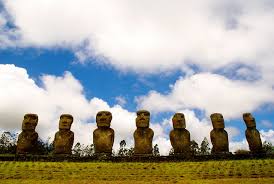
Easter Island, also known as Rapa Nui, is a remote volcanic island located in the southeastern Pacific Ocean. Famous for its colossal moai statues, it holds significant archaeological, cultural, and historical value. The island is not only a UNESCO World Heritage Site but also a vital area for studying the challenges faced by isolated societies, making it crucial for understanding human adaptation and environmental sustainability.
Historical Background
Discovered by Europeans on Easter Sunday in 1722, the island is home to a rich Polynesian culture. The construction of the iconic moai statues began around 1100 AD and continued until the 1860s. These statues are believed to represent the ancestors of the Rapa Nui people, showcasing their social hierarchy and reverence for lineage. However, deforestation and resource depletion during this era led to significant cultural shifts and population decline.
Recent Developments
In recent years, Easter Island has faced numerous challenges, including environmental issues and the impact of tourism. Efforts are being made to preserve not only the moai but also the sacred sites and ecosystems on the island. The Rapa Nui National Park has implemented measures to manage tourist influx and protect the cultural assets. Additionally, the local community has initiated projects aimed at sustainable tourism, which prioritises the preservation of heritage while boosting the economy.
The Future of Easter Island
As climate change poses new threats, including rising sea levels and increased storms, the sustainability of Easter Island’s environment and culture remains a pressing concern. Collaborative efforts between the Rapa Nui community, the Chilean government, and international organisations are essential to address these issues. The future of Easter Island hinges upon balancing tourism, conservation, and the needs of its people, ensuring that its unique heritage is preserved for generations to come.
Conclusion
Easter Island stands as a testament to human resilience and ingenuity. Understanding its past can provide valuable lessons for contemporary societies. As global citizens, recognizing the significance of such cultural treasures is vital in fostering respect and commitment towards preserving them.