The Ongoing War Between the Land and the Sea
Introduction
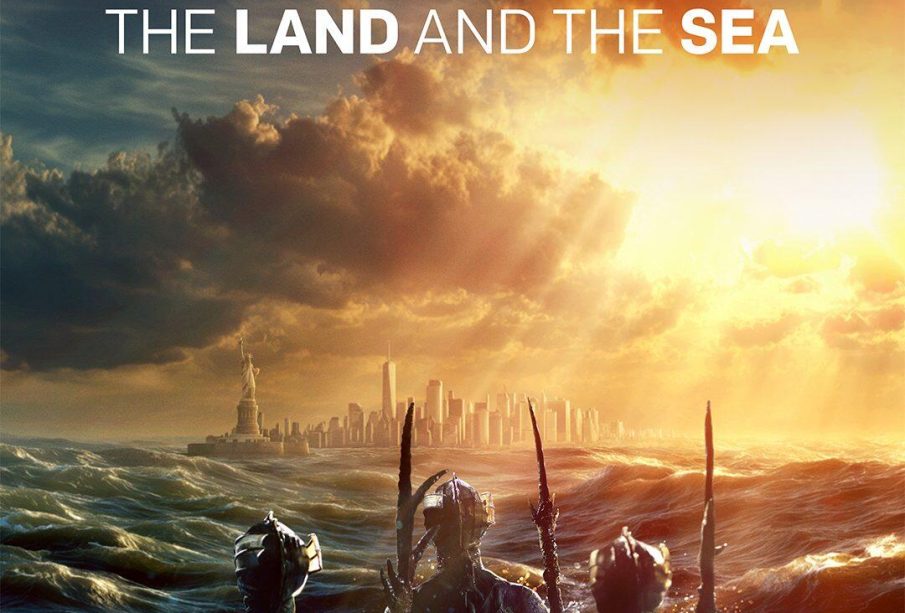
The war between the land and the sea has reached critical importance as coastal communities face unprecedented challenges. This conflict manifests mainly through coastal erosion, rising sea levels, and climate change, which threaten both human settlements and natural ecosystems. In recent years, major events have unfolded, highlighting the pressing need for effective management strategies to mitigate the impact of this environmental battle.
The Current Landscape
Recent studies indicate that global warming is driving dramatic changes in coastlines, with rising sea levels expected to increase by 1 to 2 metres by the year 2100 if current trends continue. The Intergovernmental Panel on Climate Change (IPCC) warns that millions of people living in low-lying areas are at risk. For instance, regions like Bangladesh and parts of the U.S. East coast are experiencing severe land loss due to encroaching waters.
In the UK, the eastern coastline is significantly affected, with places like Norfolk and Suffolk witnessing dramatic erosion rates. The government has invested in projects like the £1.4 billion coast protection programme to address the impacts of flooding and erosion, yet the challenge remains daunting.
Natural Environment Impact
As land disappears, ecosystems also suffer. Coastal habitats like mangroves and salt marshes, which act as natural barriers, are being undermined by rising tides. These ecosystems are crucial for biodiversity, providing habitats for numerous species and serving as critical buffers against storms.
Furthermore, the war between land and sea has implications for agriculture. Salinization of freshwater resources due to sea-level rise threatens the productivity of coastal farms. In areas like the Eastern Caribbean, farmers face declining yields as saltwater infiltrates arable land, crippling food security.
Conclusion
This ongoing war between land and sea underscores the urgent need for integrated coastal management strategies. As climate change continues to escalate, the stakes are higher than ever, prompting scientists, policymakers, and communities to seek solutions that balance environmental protection and human needs. Increased investment in sustainable coastal practices, restoration of natural barriers, and enhanced flood defenses are vital. The future of coastal communities depends on our ability to adapt and mitigate the effects of this relentless battle.





