Understanding the Aurora Borealis Forecast
Introduction to the Aurora Borealis
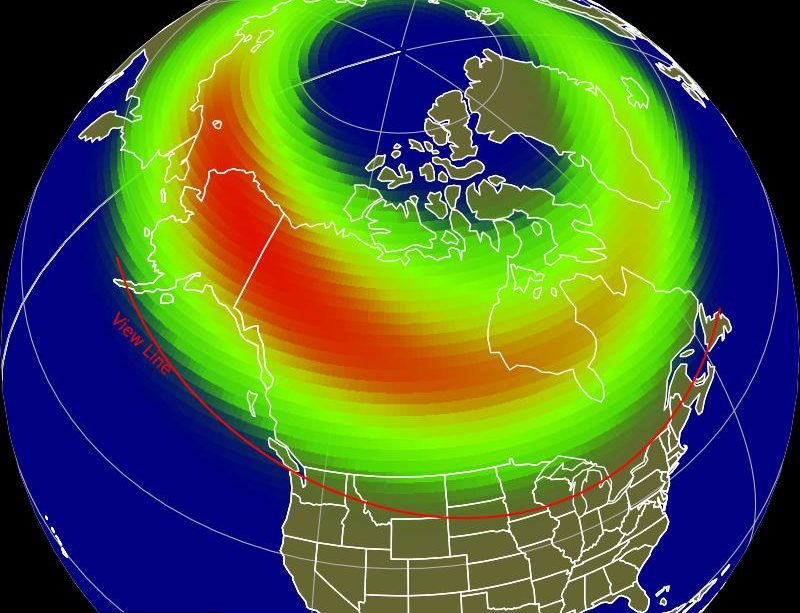
The Aurora Borealis, commonly known as the Northern Lights, is one of nature’s most captivating phenomena. It occurs when charged particles from the sun collide with gases in Earth’s atmosphere, creating vibrant displays of colour in the sky. This stunning natural light display is particularly visible in polar regions, making the aurora borealis forecast an essential topic for enthusiasts and travelers alike.
Recent Developments in Aurora Borealis Forecasting
As of late 2023, forecasters from the National Oceanic and Atmospheric Administration (NOAA) and other research institutions have been tracking solar activity closely, which directly impacts the visibility of the aurora borealis. The solar cycle is currently approaching its peak, leading to increased solar flares and coronal mass ejections (CMEs). These solar events are critical for predicting the auroras, as they can enhance the intensity and frequency of auroral displays.
This week, predictions indicate a strong chance for aurora sightings across northern parts of the United States, Canada, and even parts of northern Europe due to a recent CME that occurred on October 15, 2023. The KP index, which measures geomagnetic activity, is expected to reach levels of 6 or 7, making it a prime time for aurora viewing.
How to Prepare for Aurora Viewing
For those wishing to witness this spectacular event, several tips can enhance the experience. First, choose a location far away from city lights to reduce light pollution. Areas in Alaska, Canada, and regions in Scandinavia are particularly renowned for their breathtaking auroral displays. Secondly, check the local weather conditions; clear, dark skies are ideal for aurora spotting. Lastly, keep an eye on aurora alerts via apps and websites dedicated to solar activity, enabling real-time updates on viewing conditions.
Conclusion and Future Insights
Understanding the aurora borealis forecast can significantly enhance one’s chances of witnessing this breathtaking spectacle. With solar activity ramping up, this winter season promises more opportunities for aurora enthusiasts to engage with this natural wonder. As scientific advances continue, we can expect more accurate forecasts and timely updates that could broaden the accessibility of aurora viewing across different regions. For anyone fascinated by celestial displays, now is the time to prepare and enjoy what nature has to offer.