The Recent Increase in National Living Wage: What It Means
Introduction
The recent increase in the national living wage in the United Kingdom has sparked discussions around its implications for workers and businesses alike. High inflation rates and the rising cost of living have made this adjustment crucial for many families who are struggling to make ends meet. Understanding the details of this wage increase is essential for both employees and employers as it reflects broader economic trends and government policies aimed at improving livelihoods.
Details of the Increase
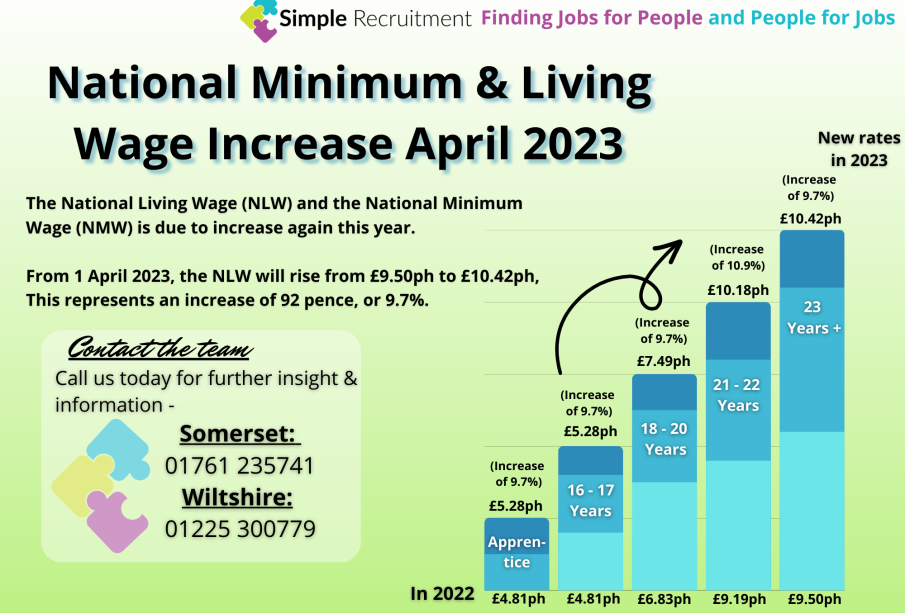
Effective from April 2023, the national living wage rose from £9.50 to £10.42 per hour for workers aged 23 and over. This 9.7% increase has been lauded by advocacy groups as a necessary step towards reducing poverty, especially in light of thecurrent economic climate where inflation rates have soared to over 10%. The increase aims to provide significant financial relief for low-income workers and is expected to benefit around 2 million employees across the UK.
Implications for Workers
The rise in the national living wage is projected to have a substantial impact on household finances, particularly for those in lower income brackets. According to the Resolution Foundation, the increase could mean an additional £1,600 per year for full-time minimum wage earners, which can help families cover basic expenses such as housing, food, and transportation. In many ways, this adjustment serves to acknowledge the hard work of essential workers, such as those in healthcare and retail, who have seen their workloads increase during the pandemic.
Effects on Businesses
While the wage increase is beneficial for employees, some business owners express concerns regarding the potential rise in operational costs. Small businesses, in particular, may face challenges in accommodating this new wage structure, leading to difficult decisions about staffing and pricing. The government has urged companies to adapt, and many are exploring solutions such as increasing efficiency or raising prices to offset increased labor costs.
Conclusion
The national living wage increase represents a significant policy shift aimed at bolstering low-income workers in an unstable economic environment. While it brings immediate financial benefits to many households, it also poses challenges for businesses, particularly small enterprises. Analysts believe that the success of this wage increase will depend on how businesses adjust and whether economic conditions stabilise in the coming months. As these changes unfold, maintaining a focus on financial support for workers while ensuring sustainable business practices will be key to long-term economic health.





