Understanding Biafra: Its Relevance and Current Events
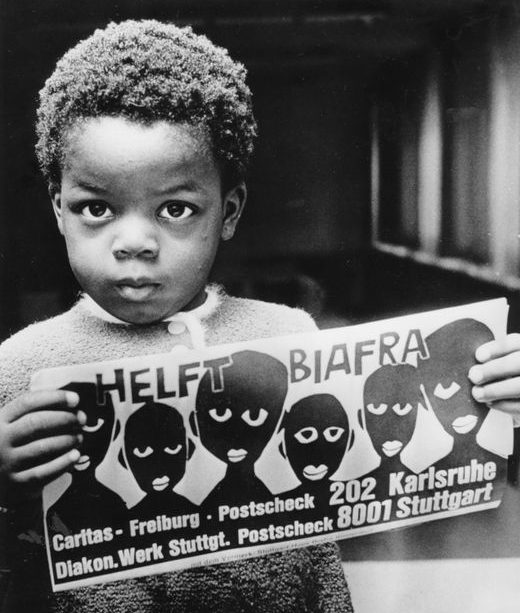
Introduction to Biafra
The topic of Biafra remains a significant aspect of Nigeria’s socio-political landscape, resonating with historical and contemporary implications. Initially declared as an independent republic during the Nigerian Civil War (1967-1970), Biafra’s quest for self-determination continues to spark debates about ethnicity, governance, and national identity in Nigeria. As calls for Biafran independence gain momentum, it becomes essential to understand its relevance in today’s geopolitical climate.
Historical Context
The Biafran War, which stemmed from ethnic tensions primarily between the Igbo people and the Nigerian government, resulted in severe humanitarian crises, including widespread famine. The conflict claimed over a million lives and left lasting scars on the national psyche. Despite the end of the war, the Biafra agitation never fully subsided, with various groups advocating for the rights and recognition of the Igbo people.
Recent Developments
In recent years, the movement for Biafra has witnessed a resurgence, particularly under the Indigenous People of Biafra (IPOB), led by Nnamdi Kanu. Following Kanu’s arrest in 2021, protests demanding his release ignited widespread unrest, not only yielding responses from the government but also heightening international scrutiny. Various campaigns to educate people about the Biafra struggle have emerged across social media platforms, sparking discussions around self-determination and autonomy.
Moreover, the political landscape in Nigeria, marked by regional inequalities, has further fueled the Biafran sentiment. The growing discontent amongst the Igbo and other marginalized communities has led to a demand for greater inclusivity in governance, highlighting the need for dialogue between the federal government and the secessionist sentiments.
The Importance of Dialogue
The rising tensions create an urgent call for dialogue amongst stakeholders. Ignoring the aspirations and grievances of Biafrans may lead to further escalation. As the international community watches, there is a strong push for peaceful resolutions rather than violent confrontations. Engaging in constructive dialogue may not only help in addressing the immediate issues but also pave the way for a more harmonious Nigeria.
Conclusion
Biafra’s quest for autonomy and self-determination reflects deep-rooted sentiments that extend beyond mere political disputes. For many, it stands as a symbol of identity, culture, and a desire for justice. As Nigeria navigates its complexities, understanding the Biafran struggle is crucial for fostering a more equitable political environment. Readers should keep an eye on these developments, as they have implications for national unity and stability in Nigeria.





